
Downsizing - 10 Things to Consider
Most people think about downsizing for a year or more before they call anyone. That is normal, and it is not procrastination. You are weighing a house you raised a family in against a version of life that has not happened yet, and there is no obvious moment when the answer becomes clear.
I'm Dave Holt. I have spent 18 years in real estate across Mississauga, Oakville, and Burlington, and helping people through this particular move is the largest part of what I do. My job is not to convince you to sell. It is to make sure that when you decide, the decision is an informed one and the process does not run away from you.
#1 Decide whether it's the right time to downsize
The first question isn't necessarily “What house should I buy?” It's:
“Is our current home still the right home for the next 5–15 years?”
Consider
How much of the home do you actually use?
Are stairs becoming inconvenient?
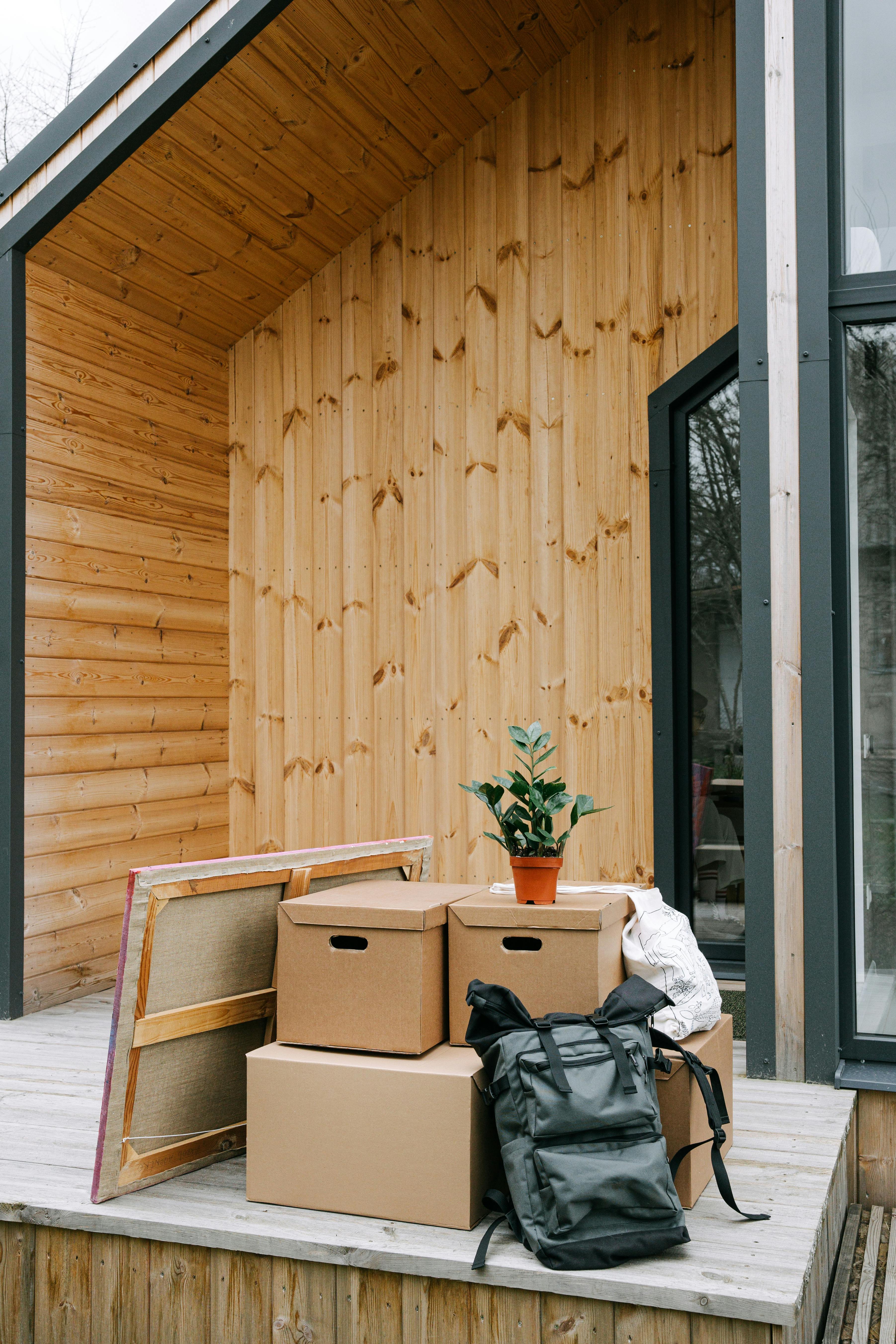
Is maintaining the yard becoming a burden?
Are repairs and maintenance becoming more expensive?
Would you rather spend your time and money on other things?
Is the home suitable if mobility changes?
Would a smaller home provide a better lifestyle?
Do you want to be closer to family, shopping, healthcare or recreation?
#4 Establish the financial picture
This is one of the most important parts of downsizing.
Before deciding what to buy, homeowners should understand:
What will I have left after selling my current home and purchasing the next one?


Consider:
- Expected selling price
- Mortgage payout
- Realtor fees
- Legal fees
- Land transfer tax on the purchase
- Moving expenses
- Decluttering/staging costs
- Repairs or improvements before selling
- Condo fees
- Property taxes
- Utilities
- Ongoing maintenance
- Insurance
- Potential renovation costs
- How much money they want to retain after the move
A financial professional can also help determine how the move fits into retirement planning. Canada's financial-planning guidance specifically recommends looking at current and future living expenses, income, assets, taxes, insurance and investments. Government of Canada
#5 Declutter before putting the house on the market
This is probably one of the biggest emotional and practical hurdles.
People often have 20, 30, 40 or more years of belongings.
A good downsizing process involves sorting possessions into categories such as:
Keep
Things that will move to the new home.
Give to family
Items that have sentimental or family value.
Donate
Useful items that are no longer needed.
Sell
Furniture, collectibles or other valuable possessions.
Dispose
Broken, obsolete or unwanted items.
Don't wait until after the house sells.
Decluttering before listing can make the home easier to show, easier to photograph and easier for buyers to visualize themselves living in.
#6 Decide what improvements are actually worthwhile
One mistake downsizers can make is spending too much money renovating a home they are about to sell.
“Will this improvement meaningfully improve the saleability or value of the property?”
Potential projects might include:
The goal isn't necessarily to create a brand-new house.
It's to prepare the property for the market without over-improving it.
#7 Plan the sale and purchase together
This is where downsizing becomes more complicated than a typical home sale.
Homeowners need to think about:
A good downsizing plan should coordinate the sale, purchase, financing and move, rather than treating them as four separate events.
#8 Understand condo living before making the move
This is particularly important if someone is moving from a detached home into a condominium.
They should investigate:
- Monthly maintenance fees
- What the maintenance fee includes
- Property taxes
- Reserve fund
- Building condition
- Recent or upcoming major repairs
- Special assessments
- Rules and restrictions
- Pet restrictions
- Parking
- Storage
- Visitor parking
- Elevator access
- Amenities
- Insurance
- Guest suites
- Rental restrictions
- Future fee increases
Ontario also recommends understanding the bylaws, rules and restrictions when considering downsizing to a condo. Ontario Files
#9 Plan the actual move
Once the real estate decisions are made, there is still the physical move.
Consider:
Professional movers
Downsizing/packing services
Estate-sale companies
Donation organizations
Junk removal
Storage
Cleaning
Moving supplies
Change of address
Utilities
Insurance
New furniture
Measuring furniture for the new home
The Government of Canada recommends getting written quotes and comparing reputable movers, including checking what is actually included in the quoted price. ISED Canada
#10 Think beyond the next move
This is perhaps the most important point.
“Where do I want to live now?”
“Will this home continue to work for me 5, 10 or even 15 years from now?”
Think about:
Canadian government guidance similarly encourages people to think about whether their home will continue to meet mobility and health needs over the next 10–15 years. Government of Canada